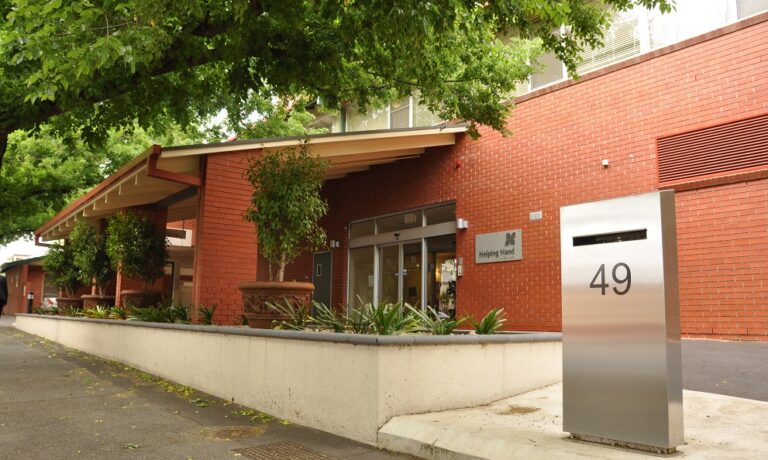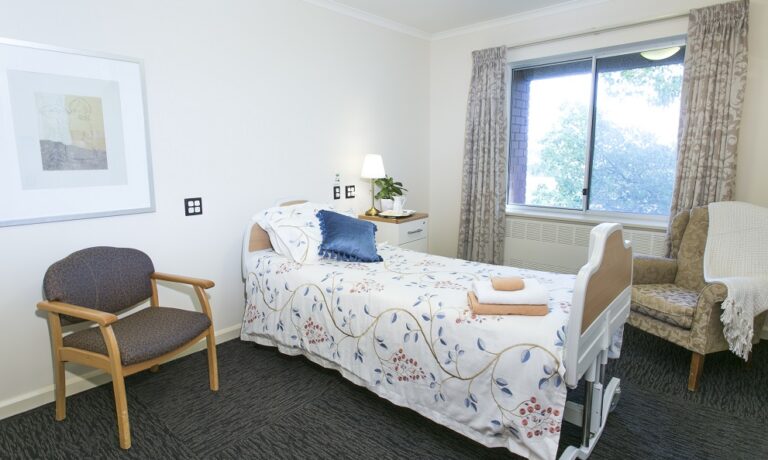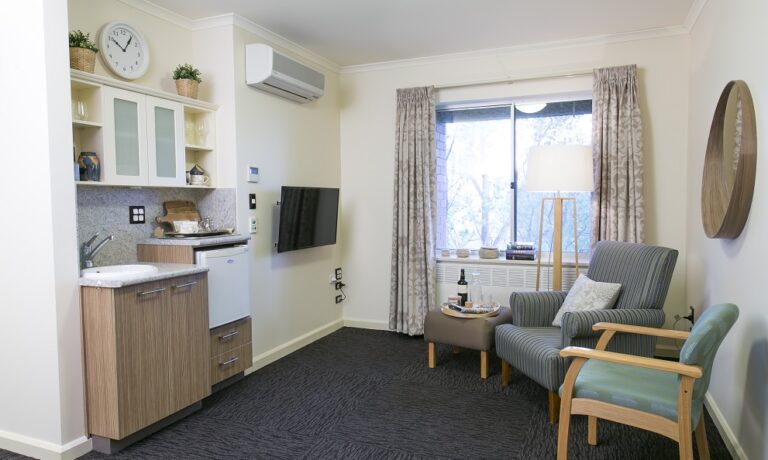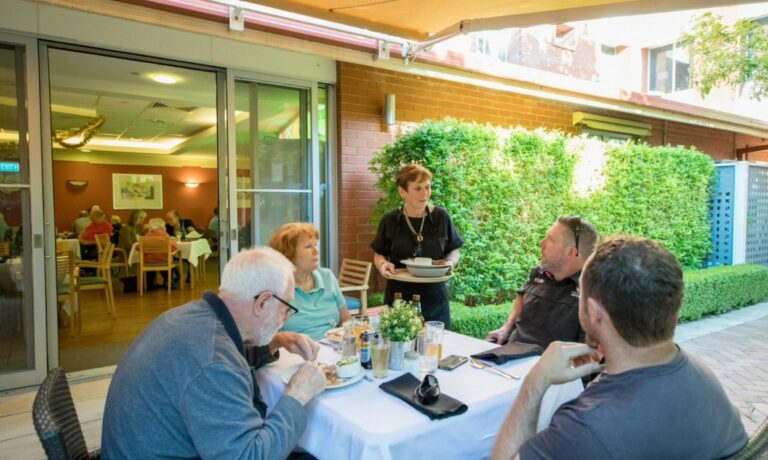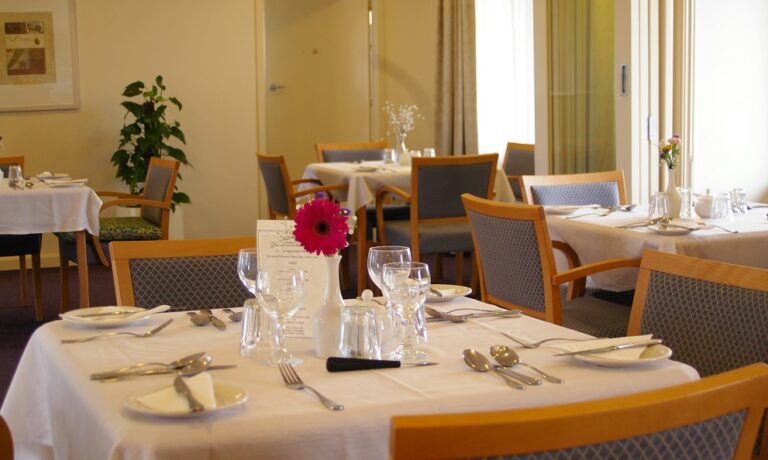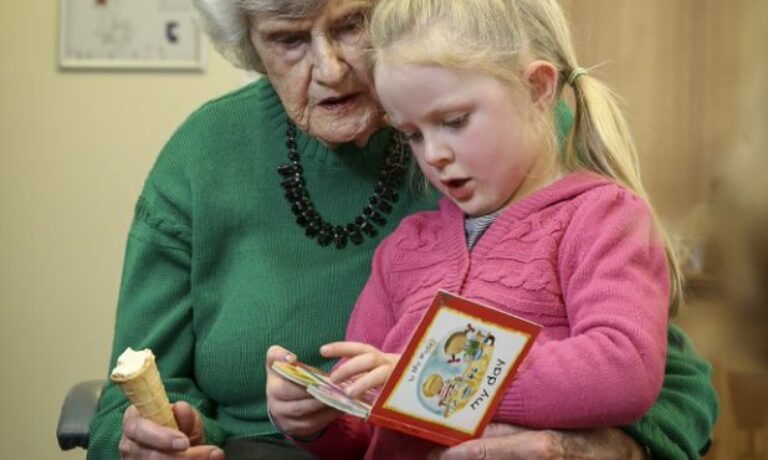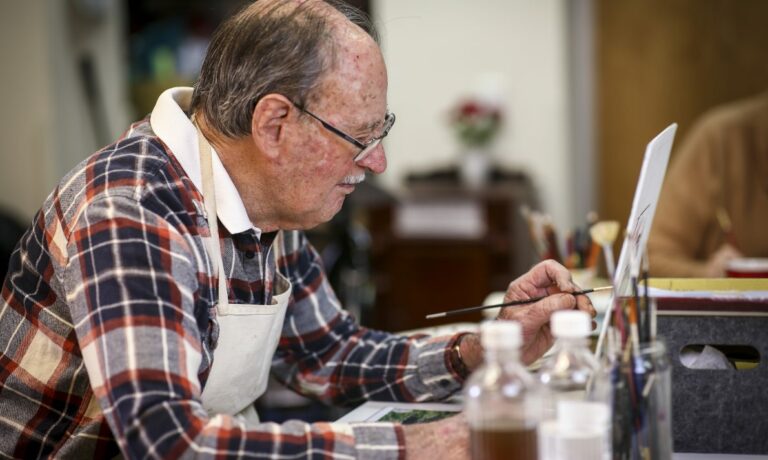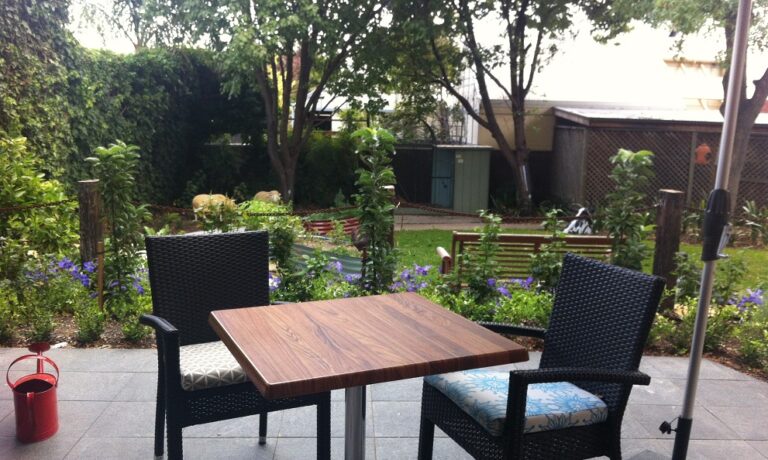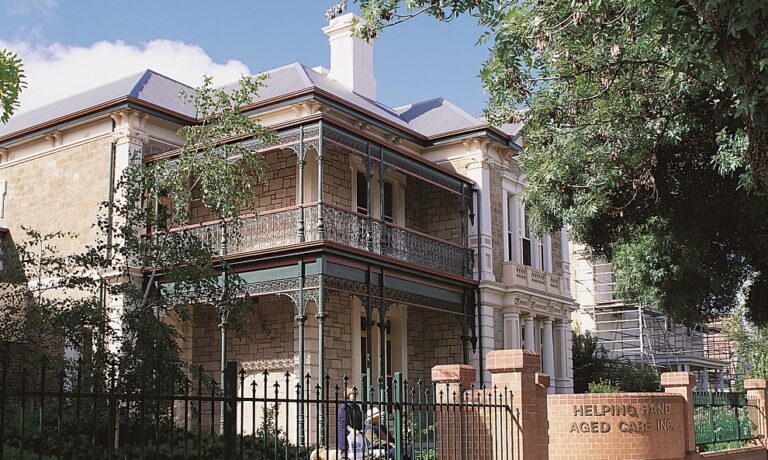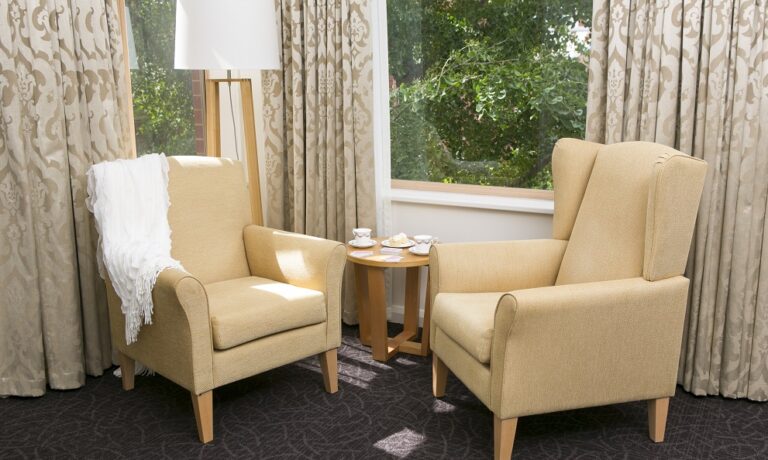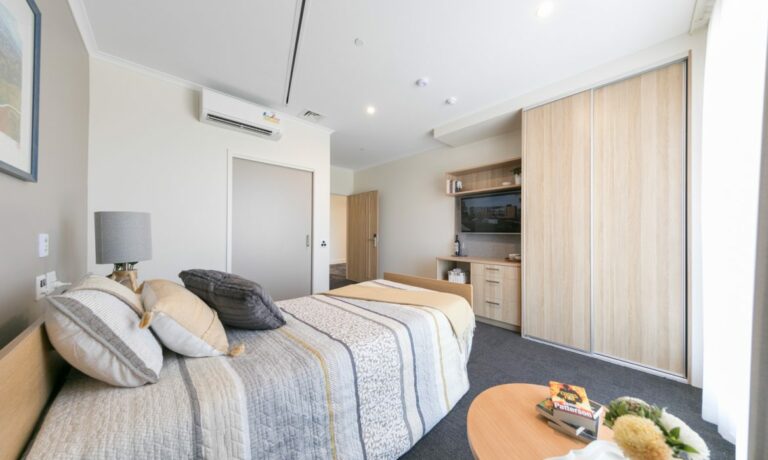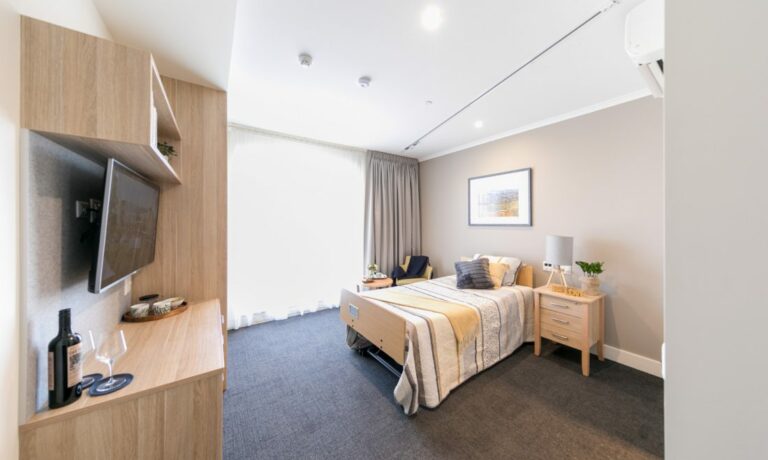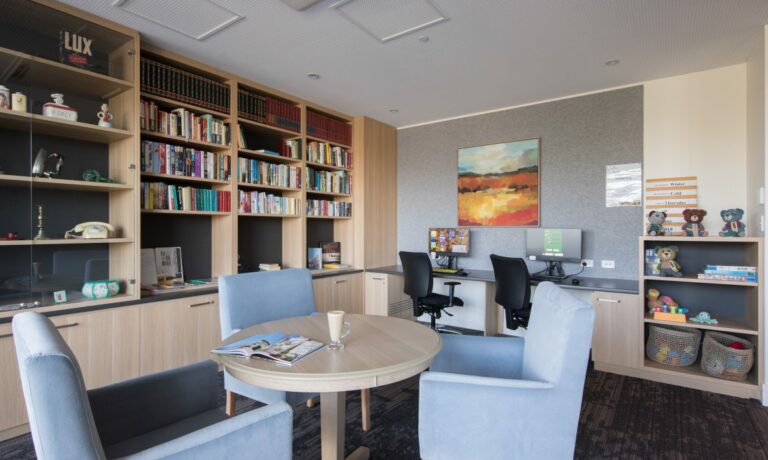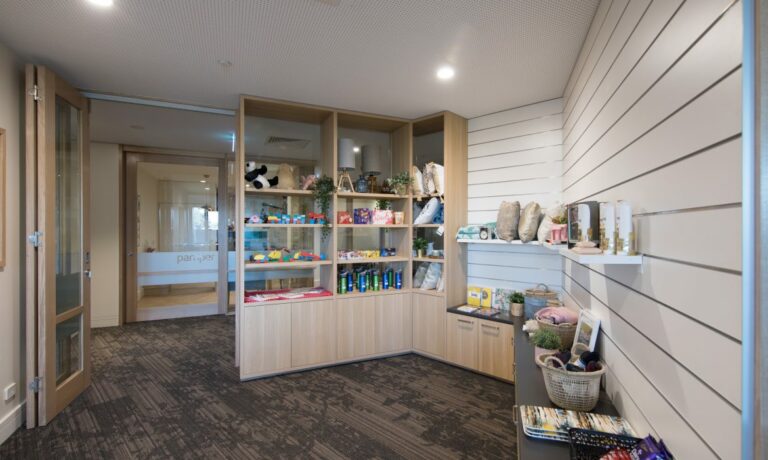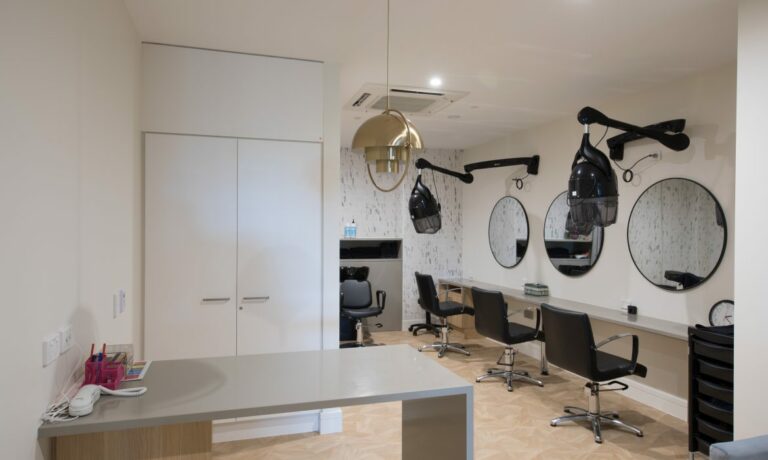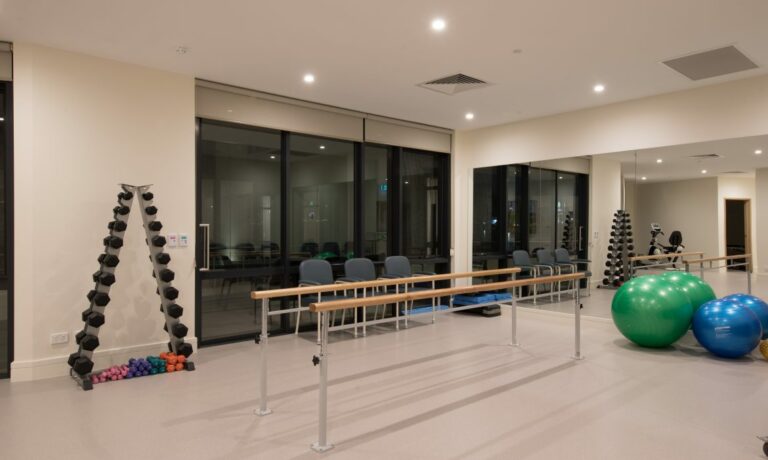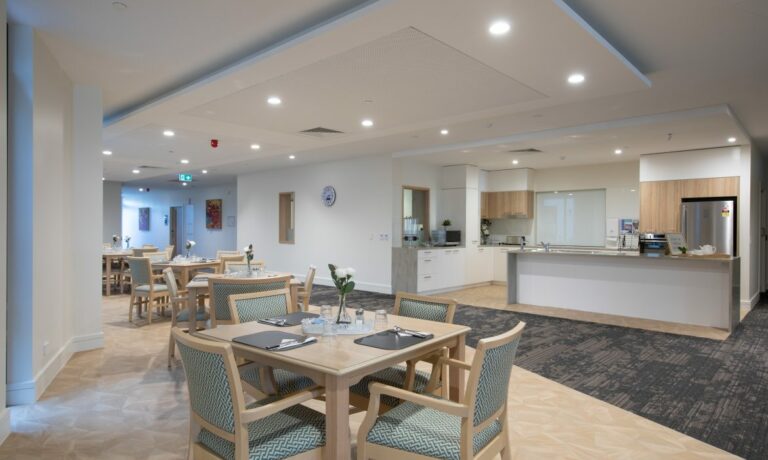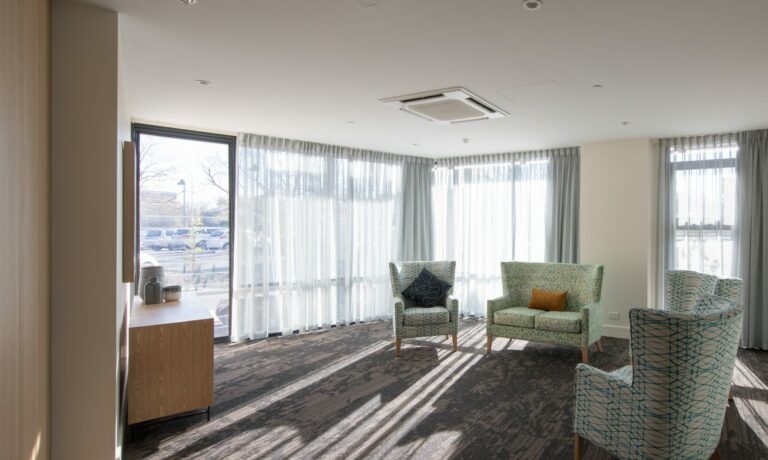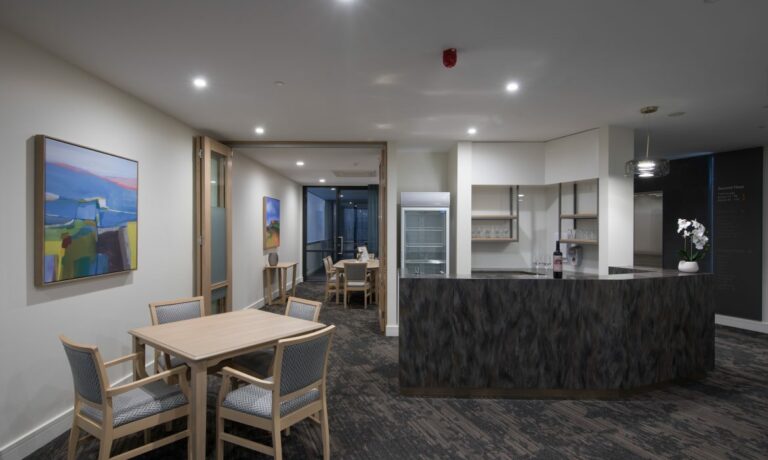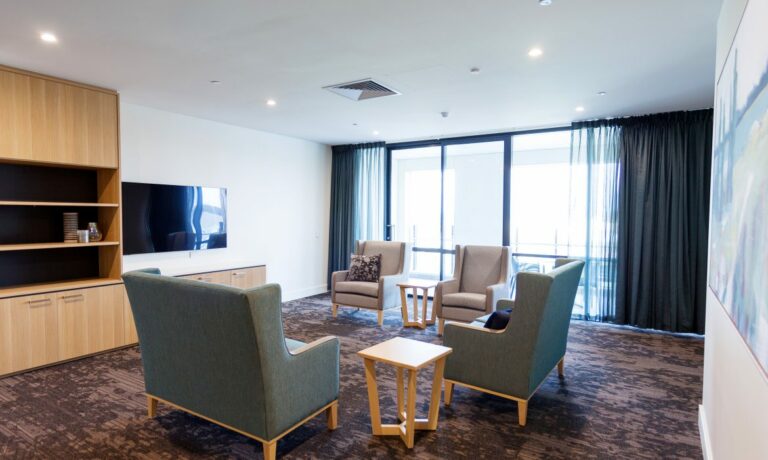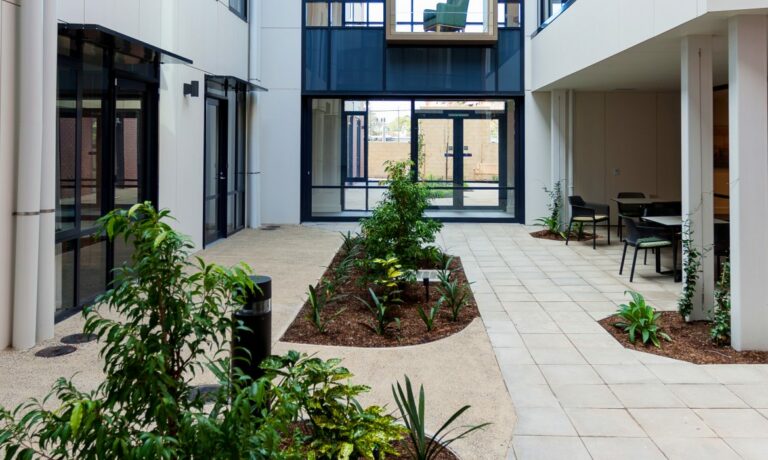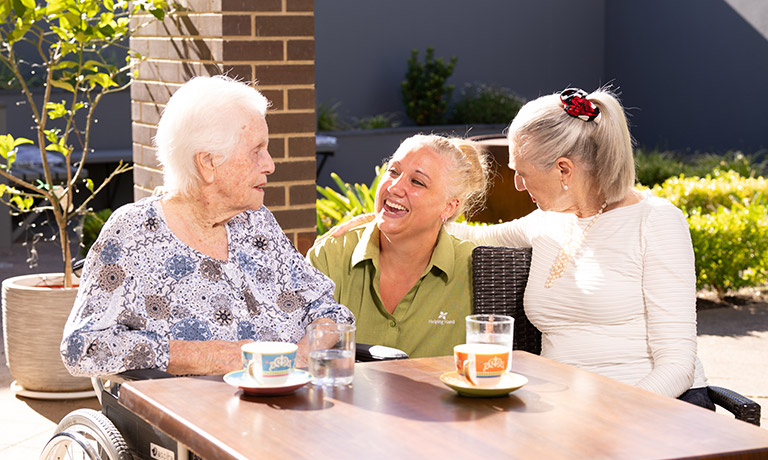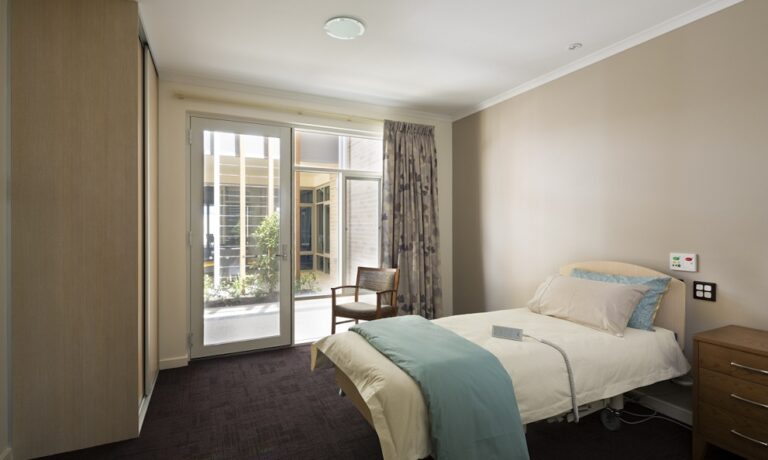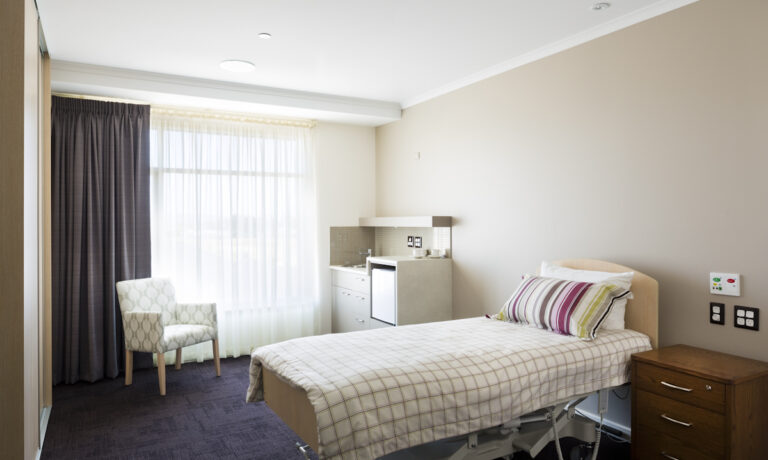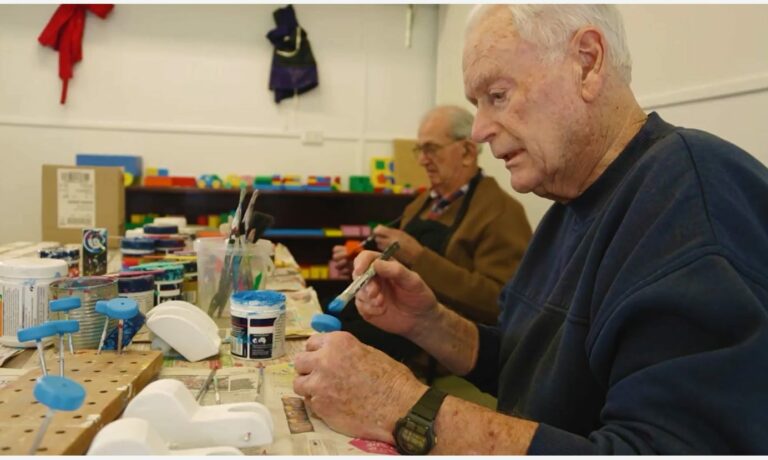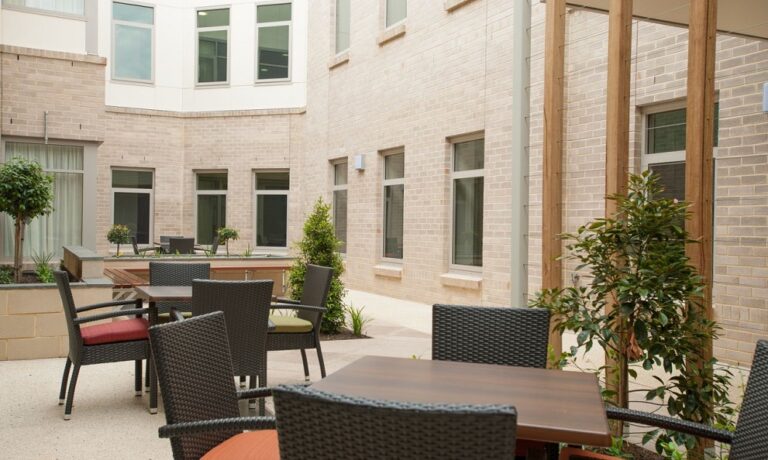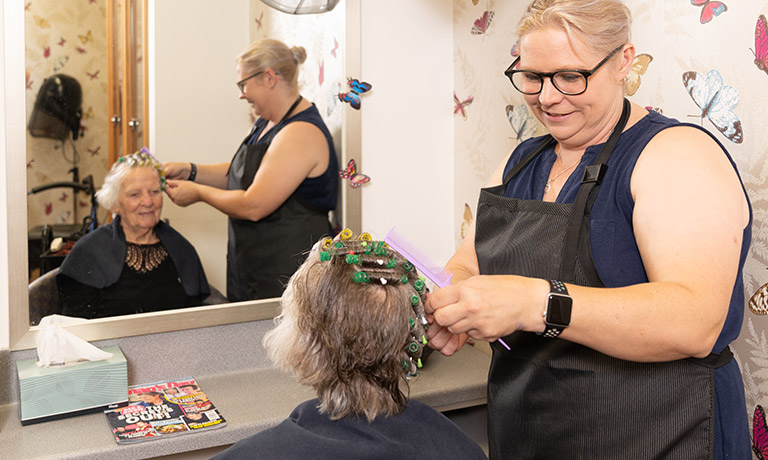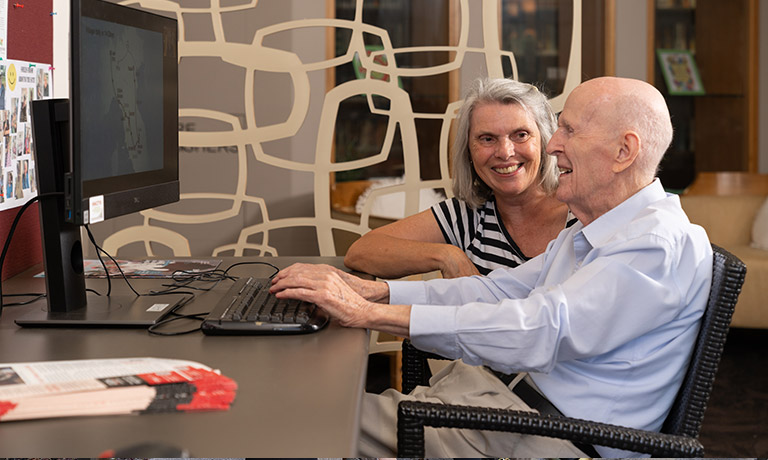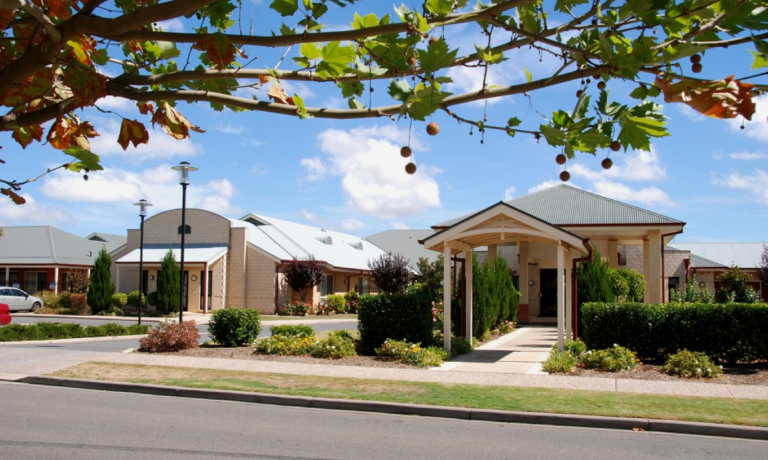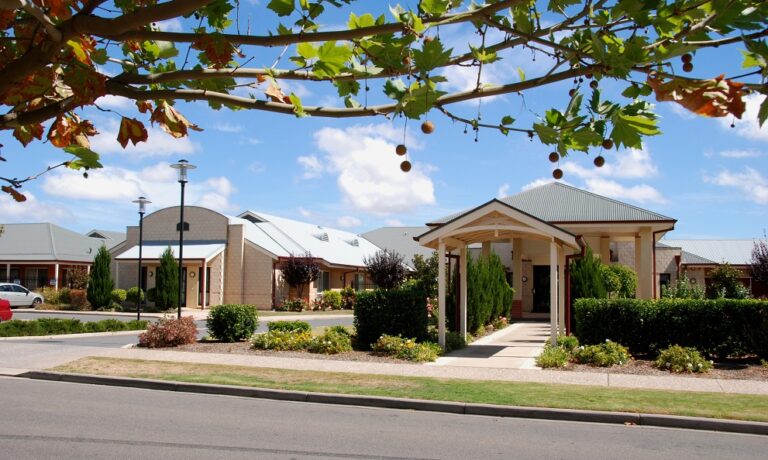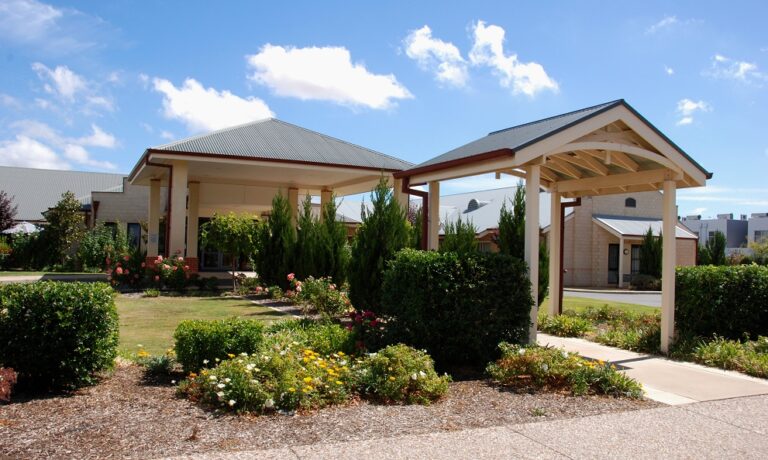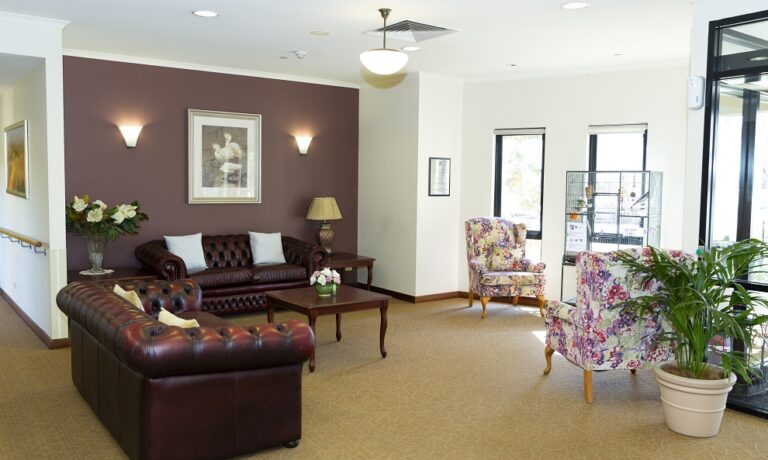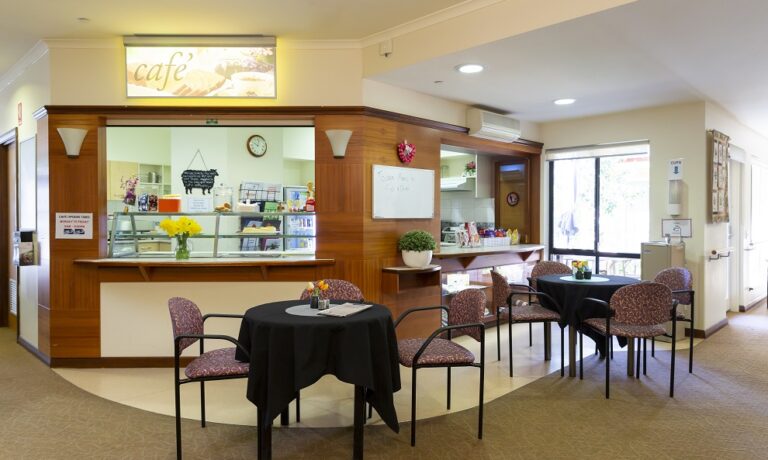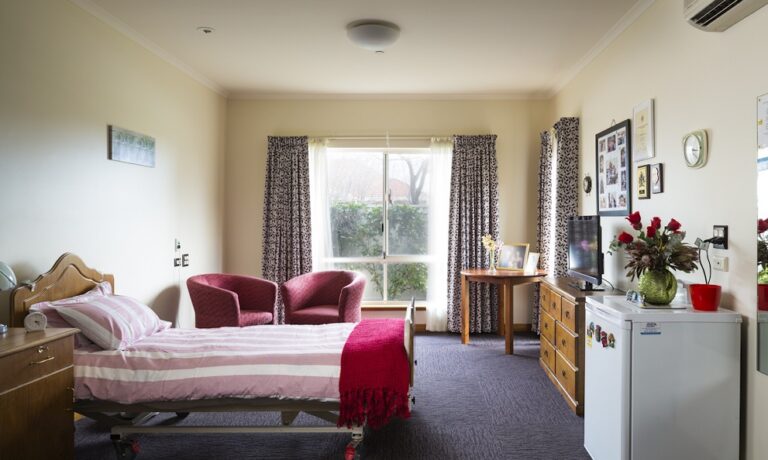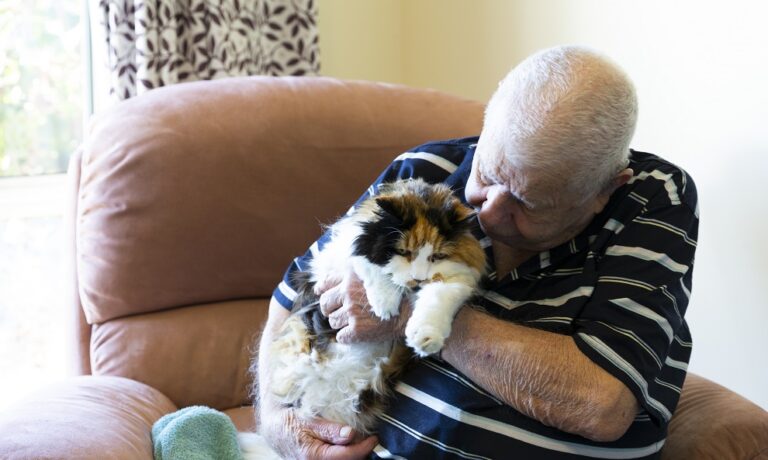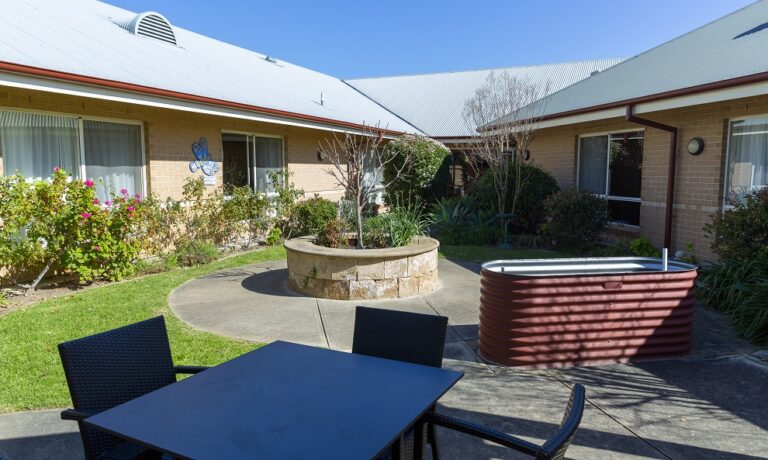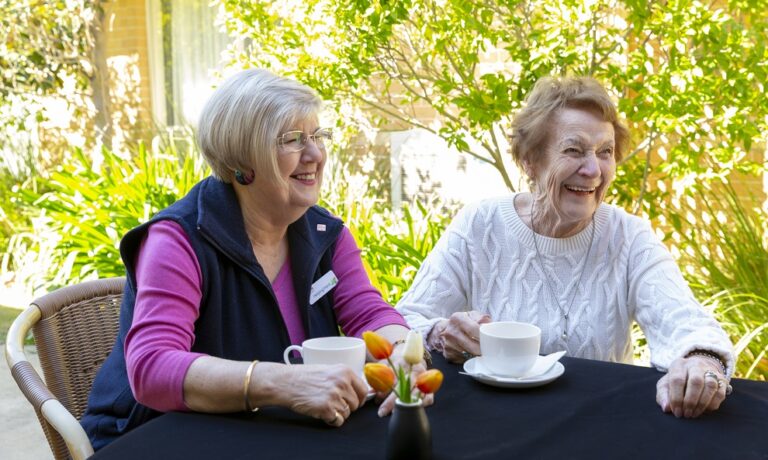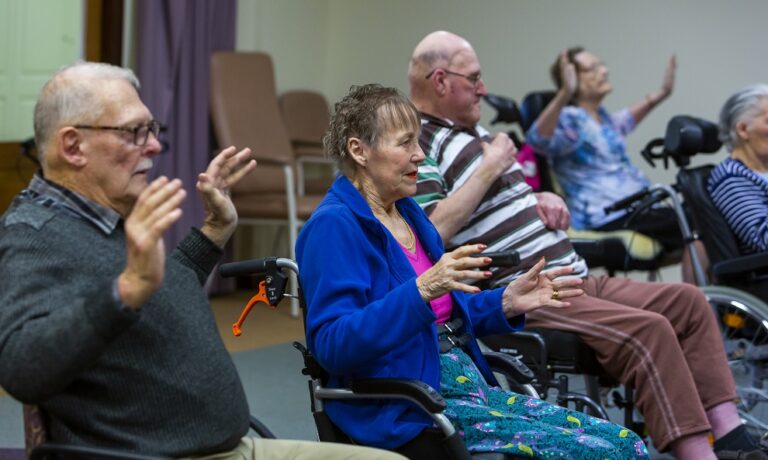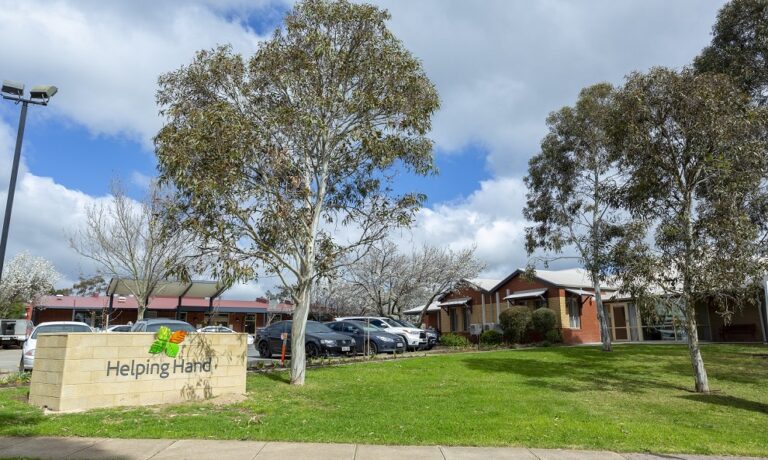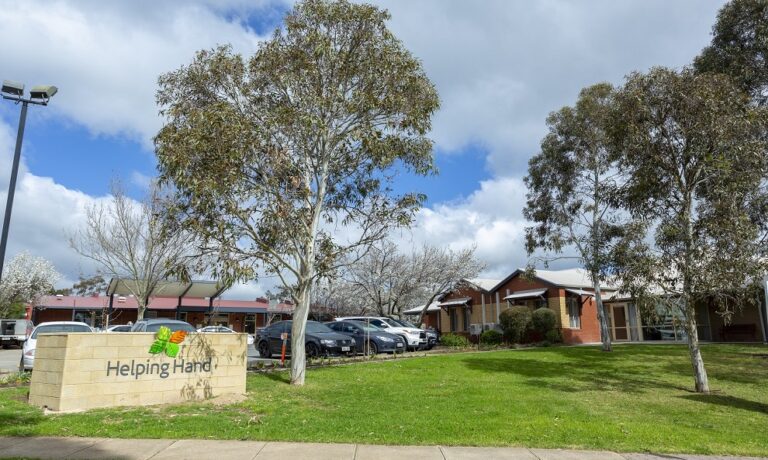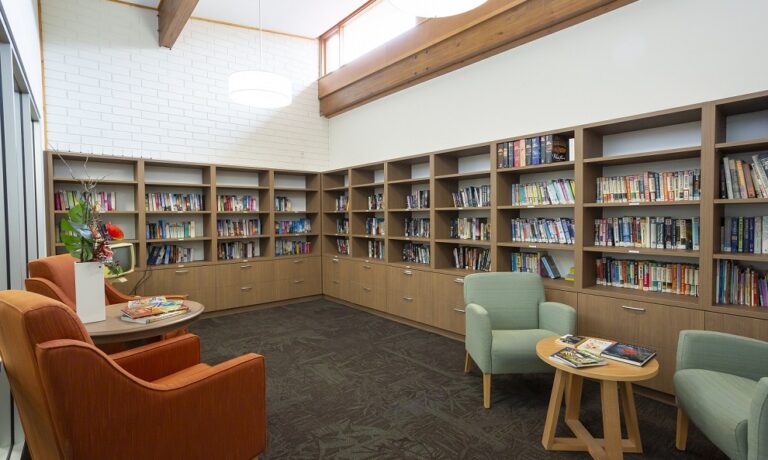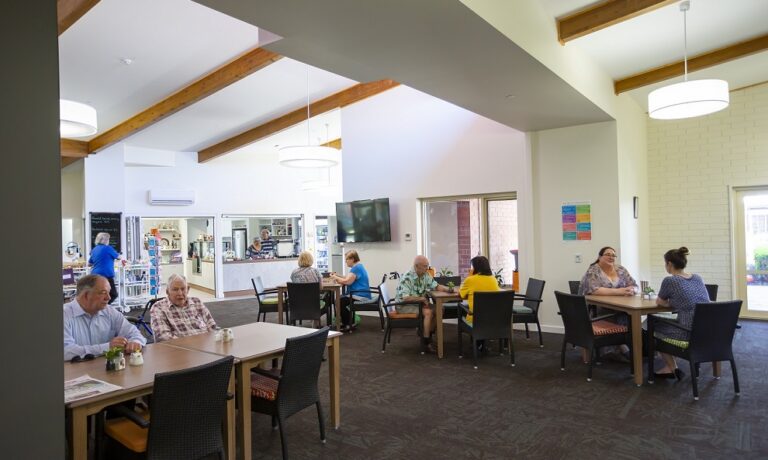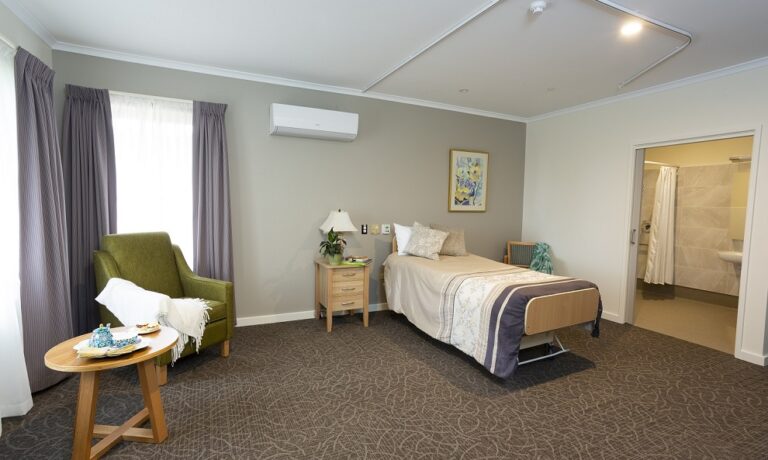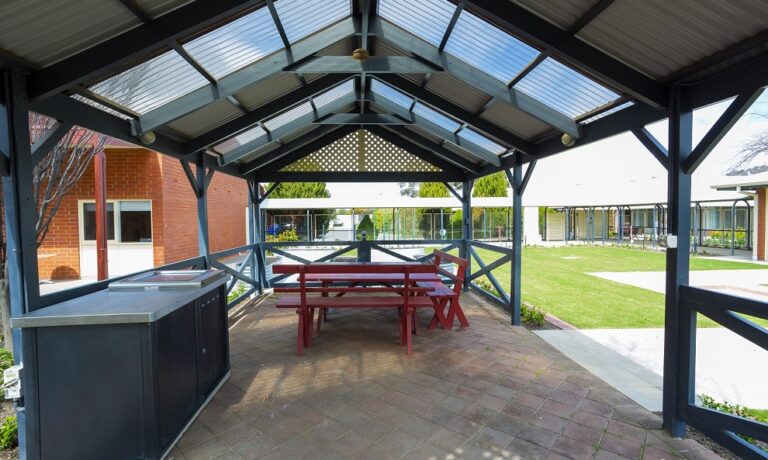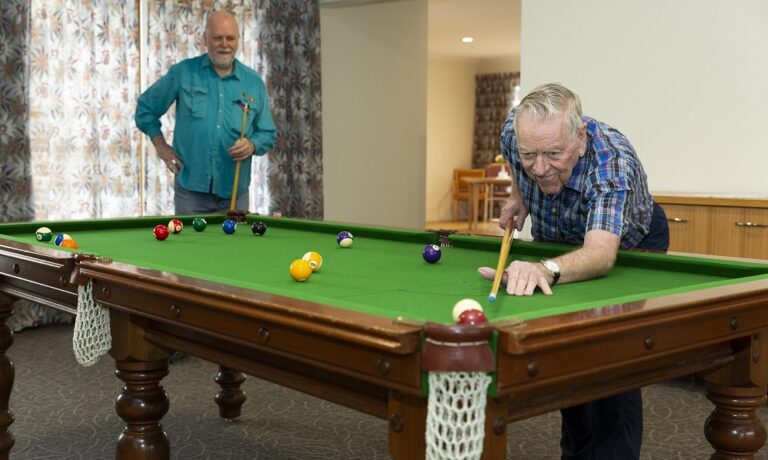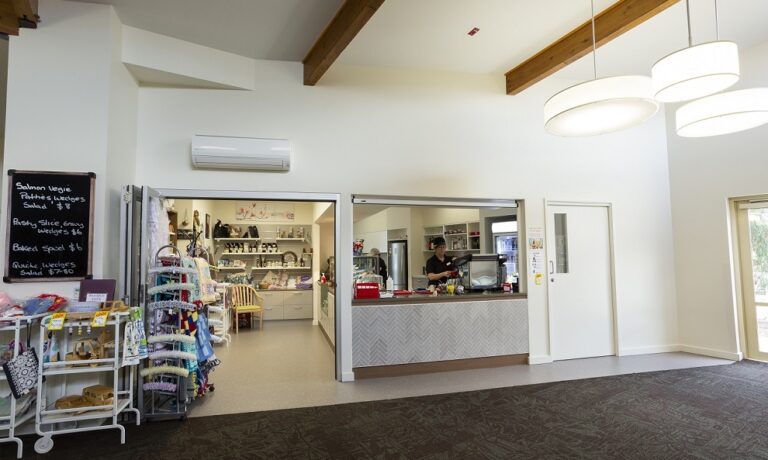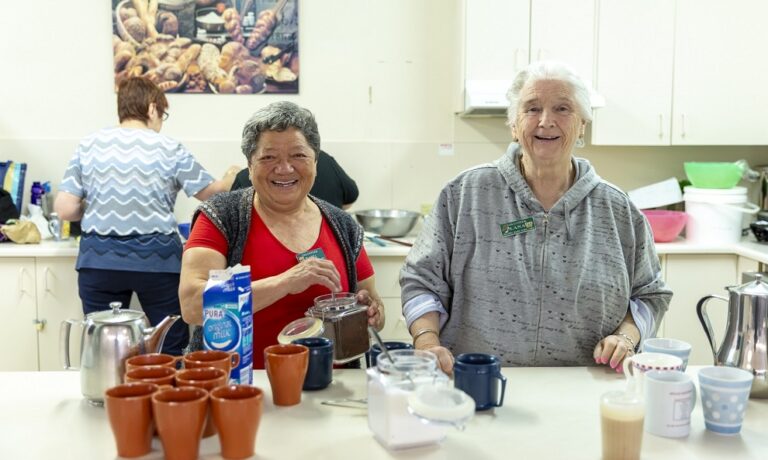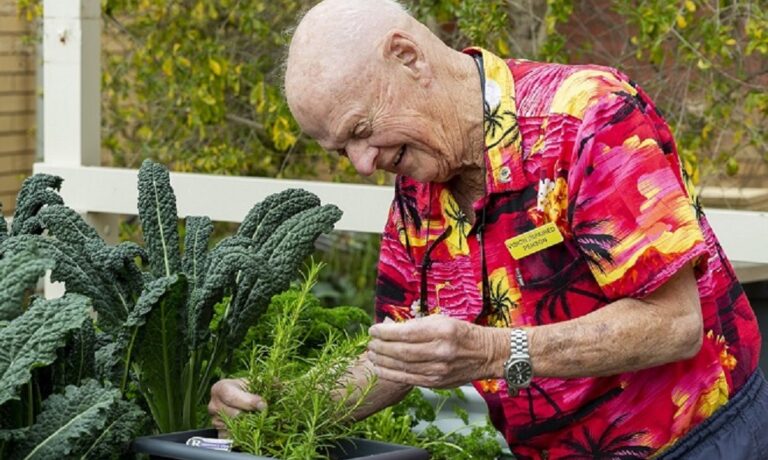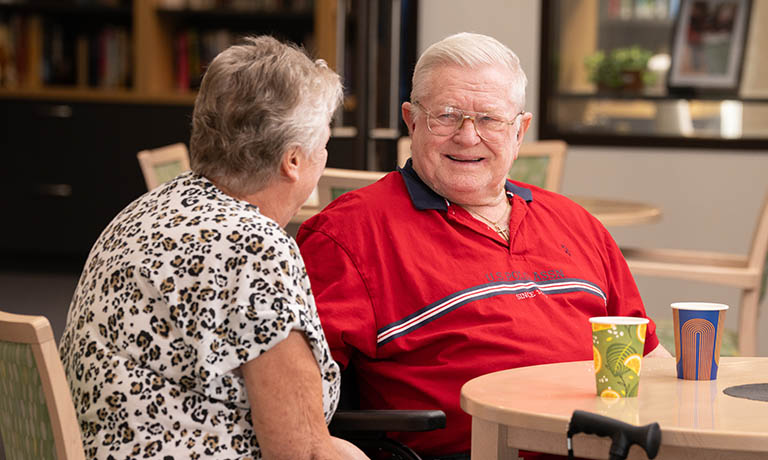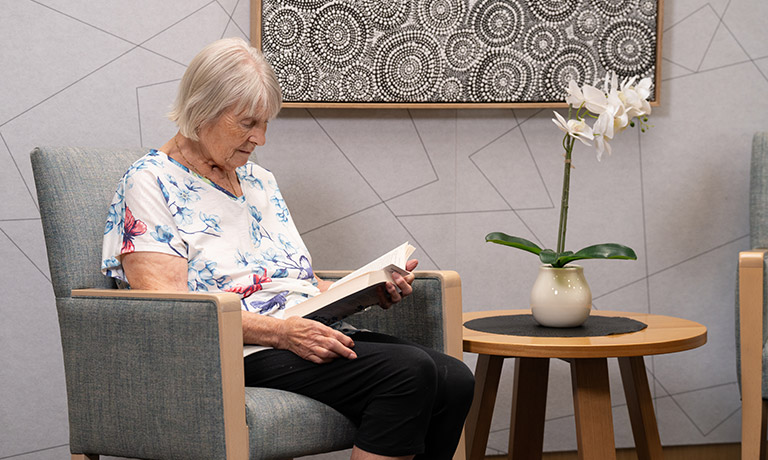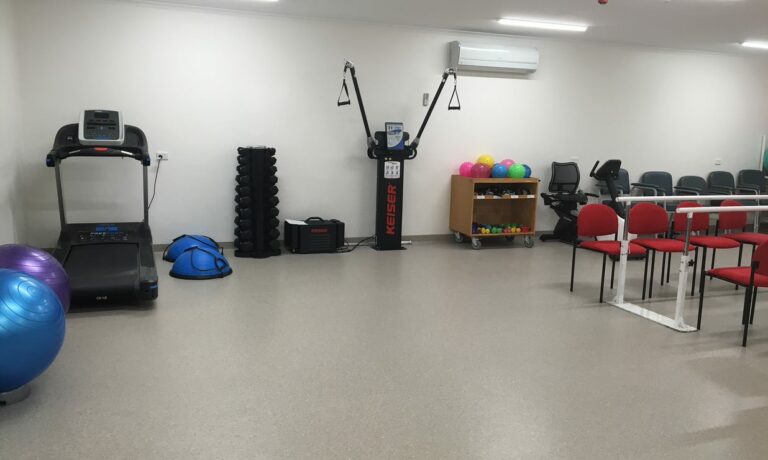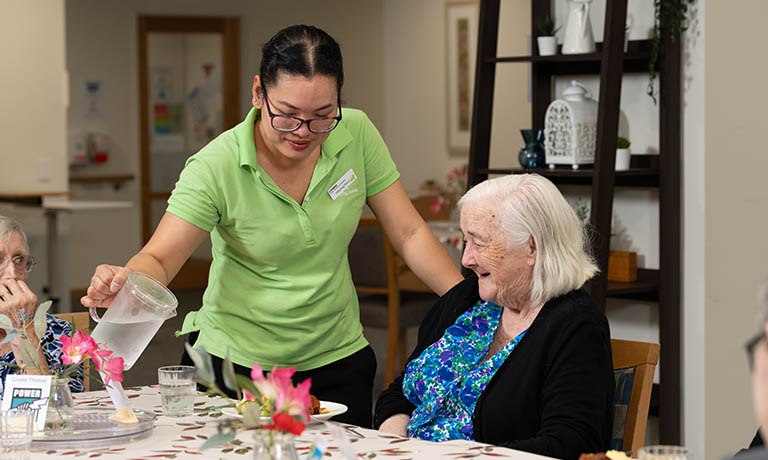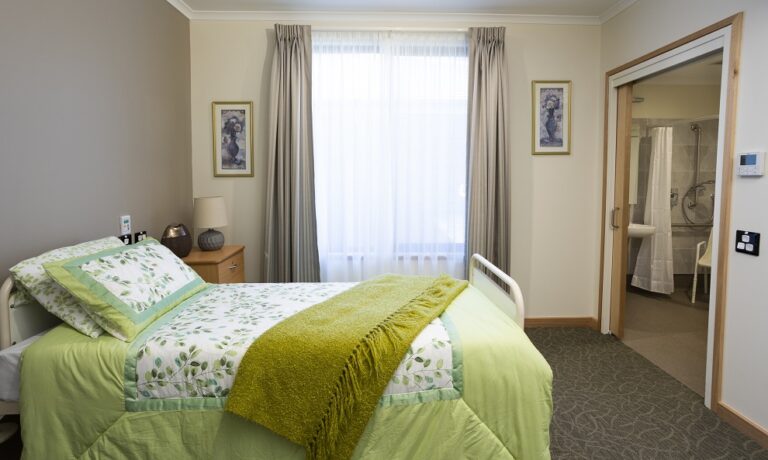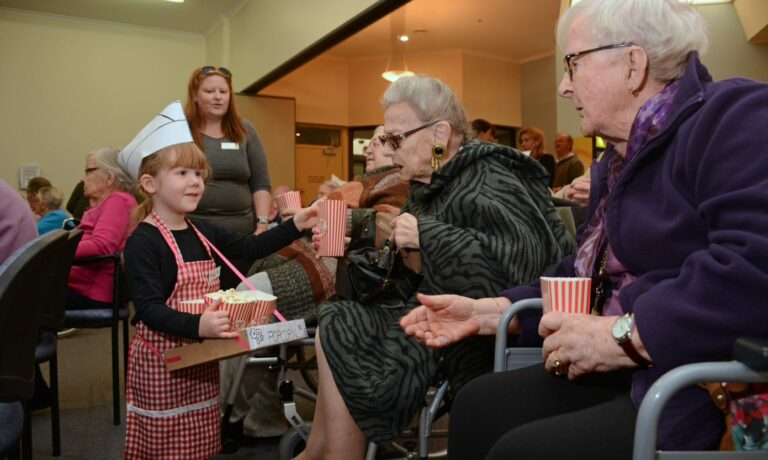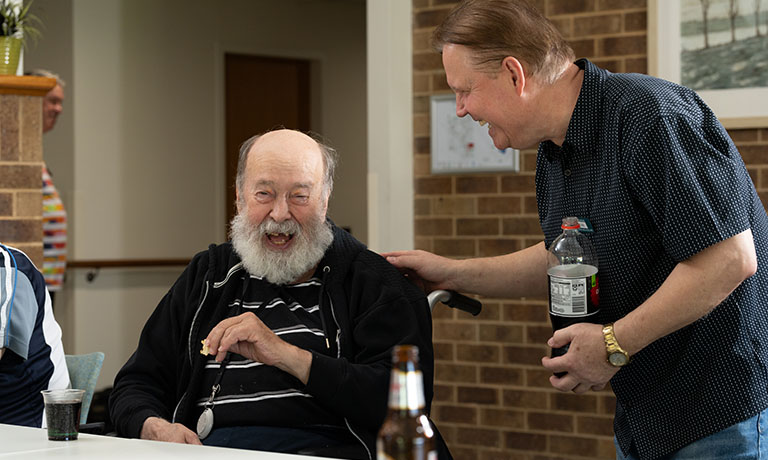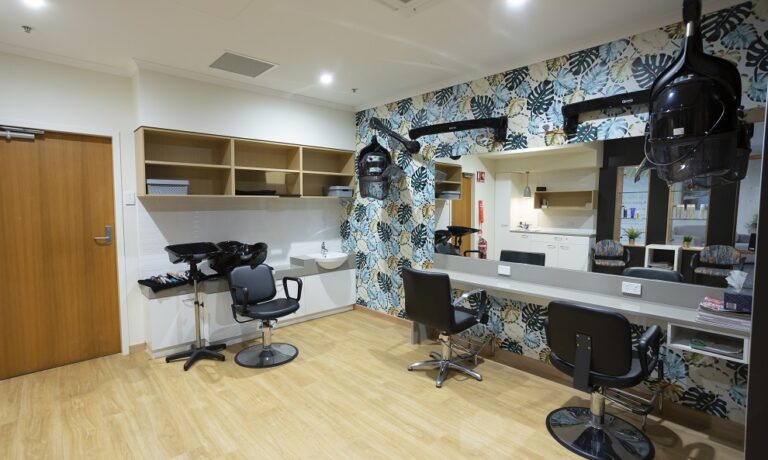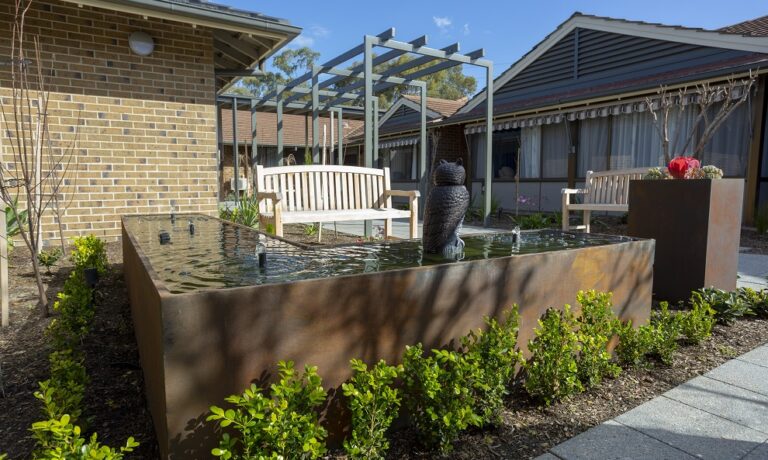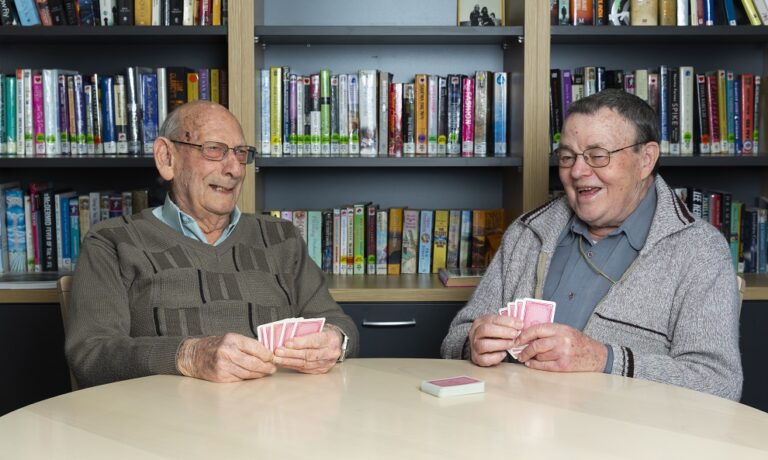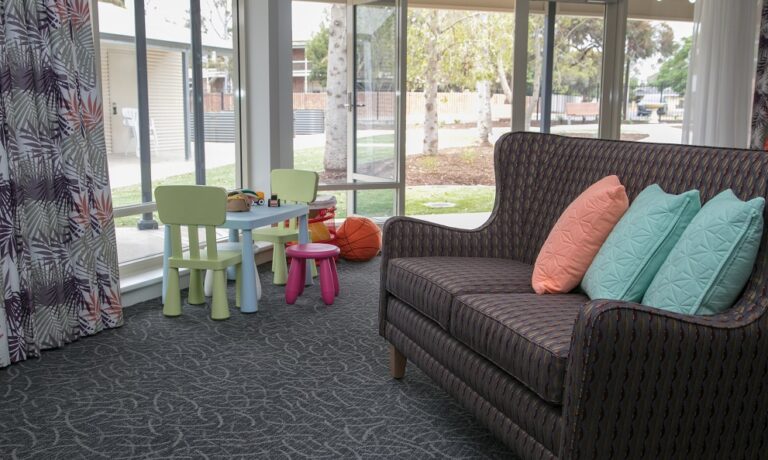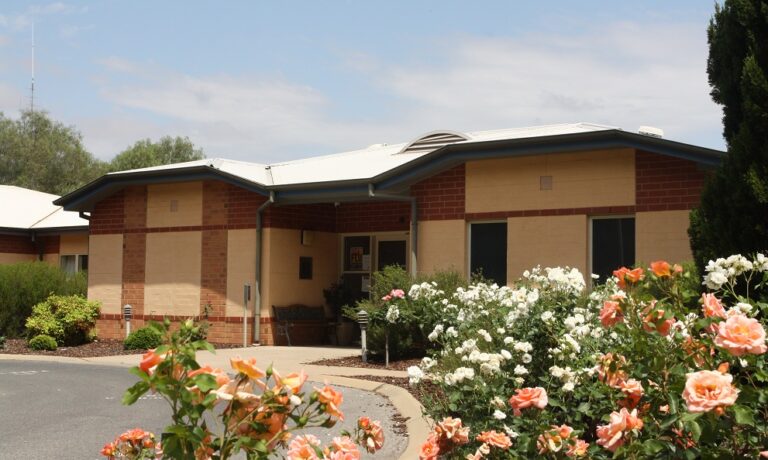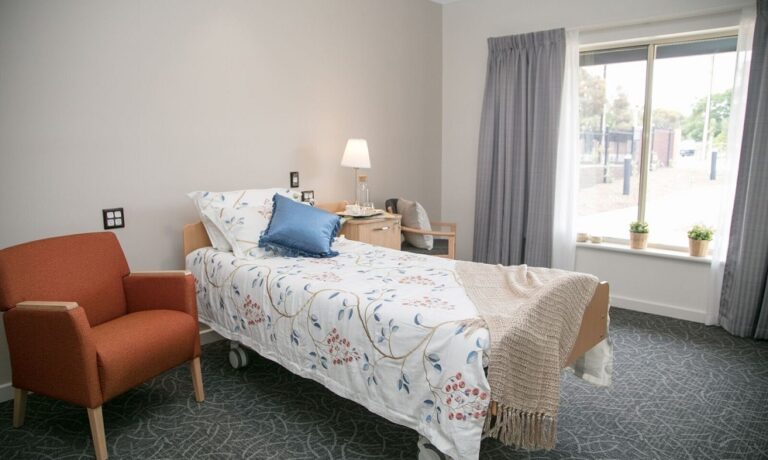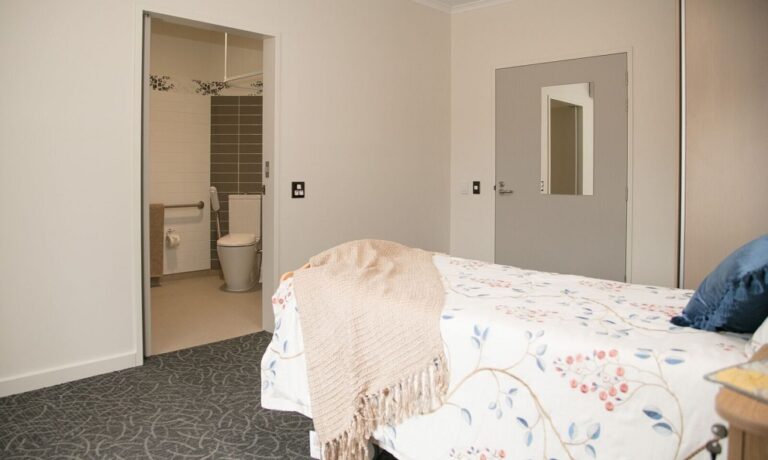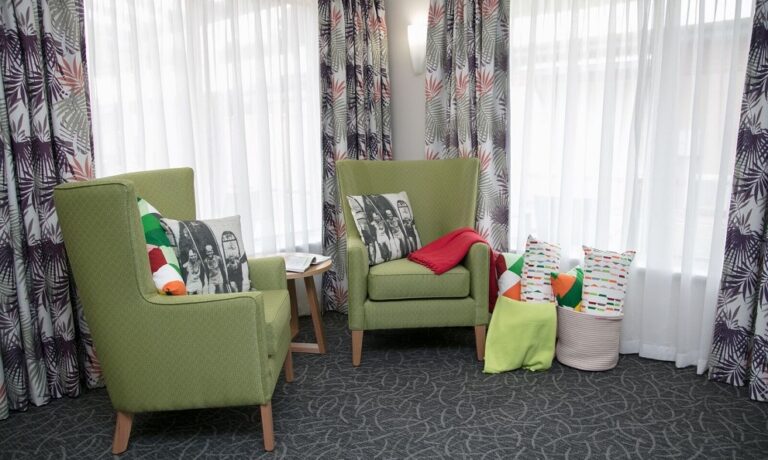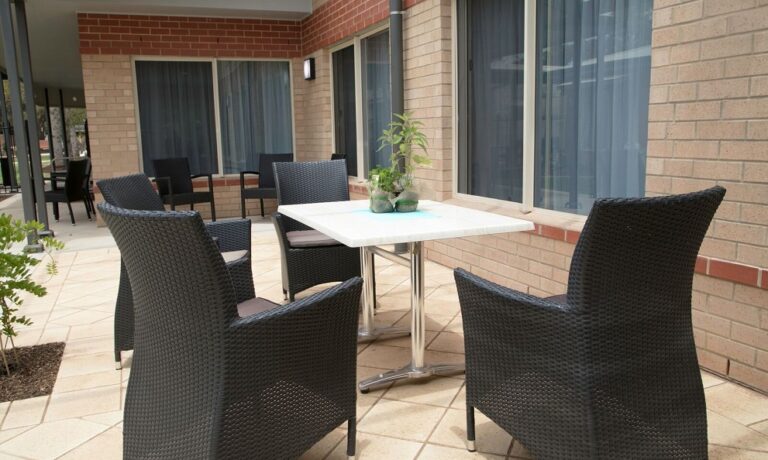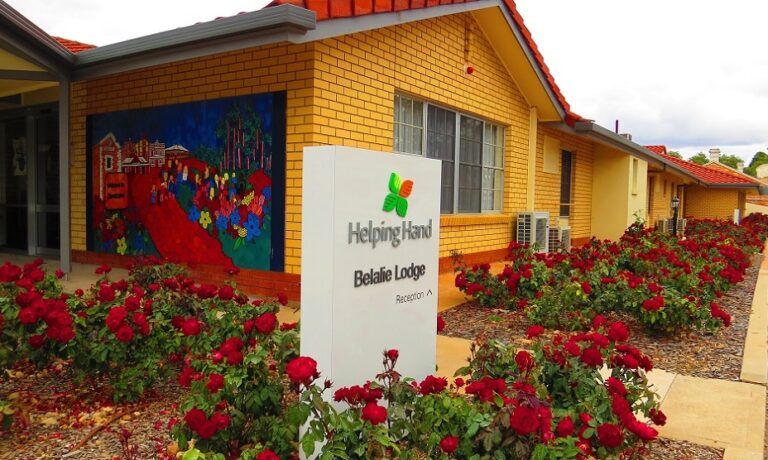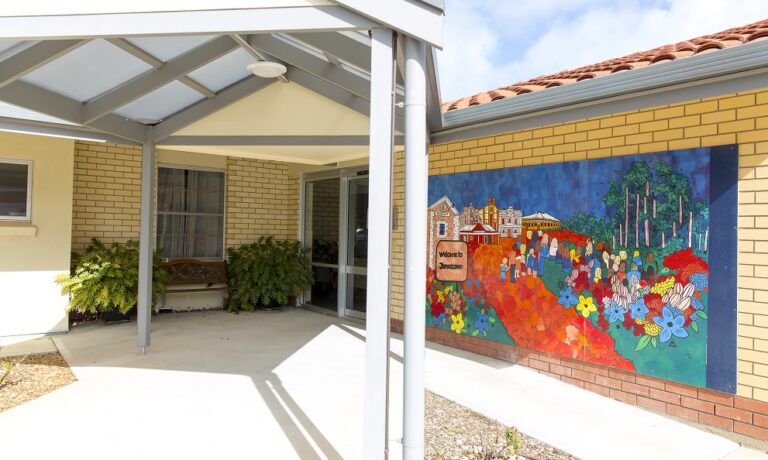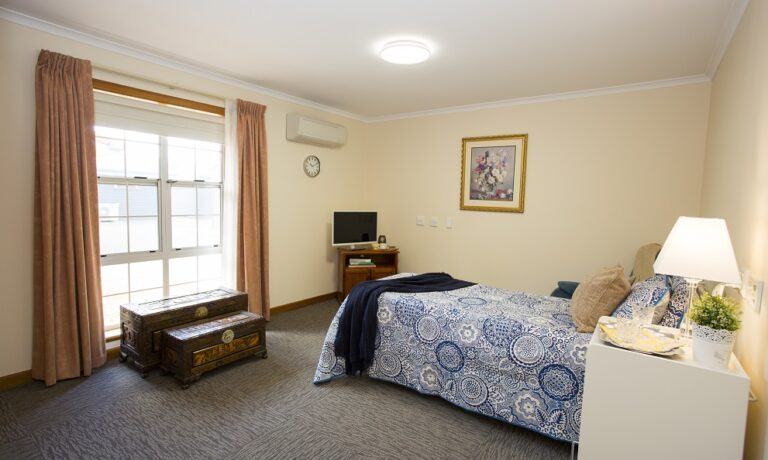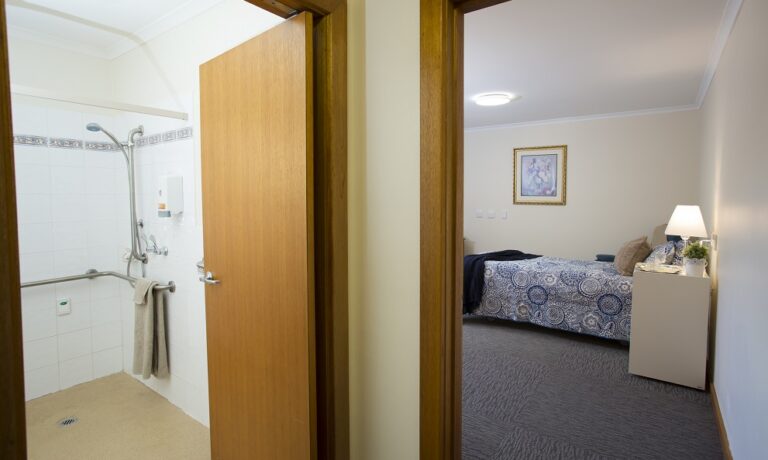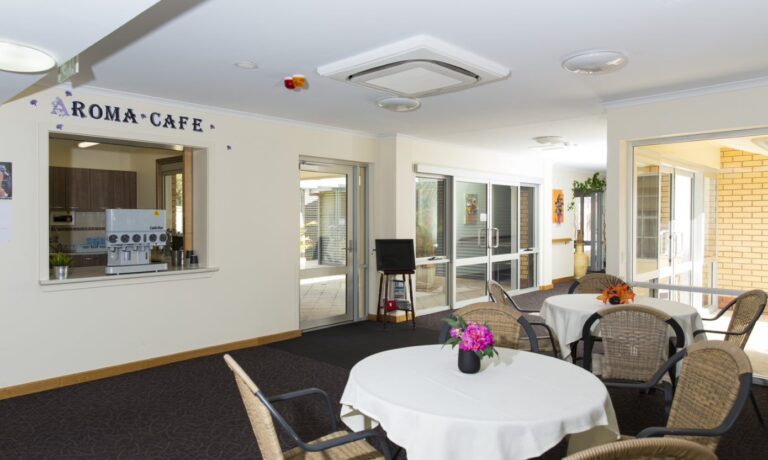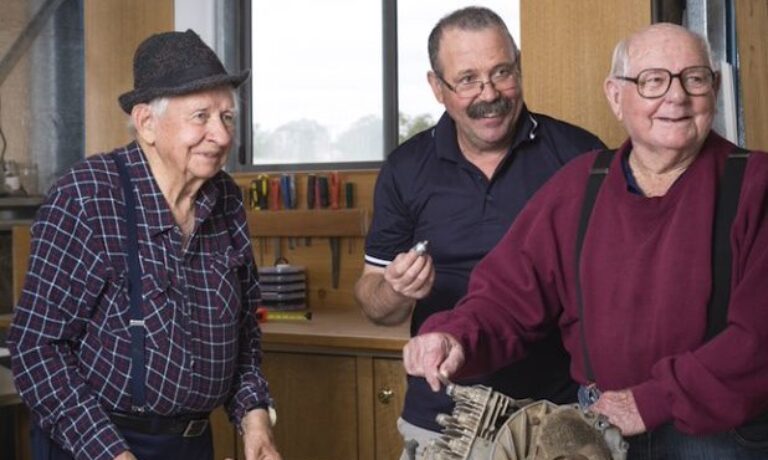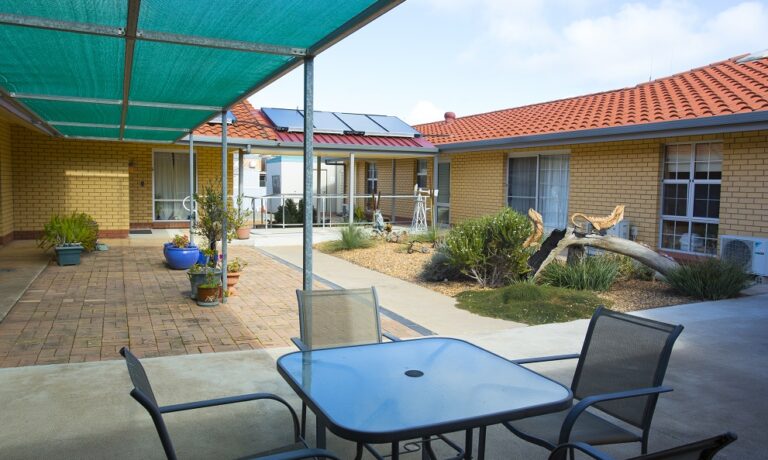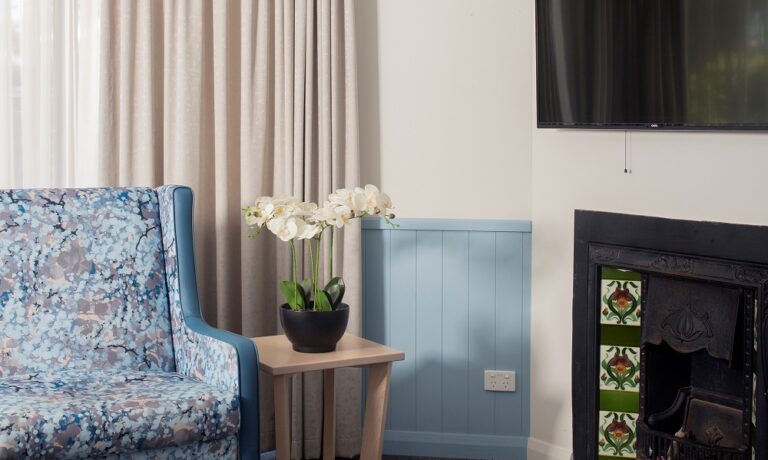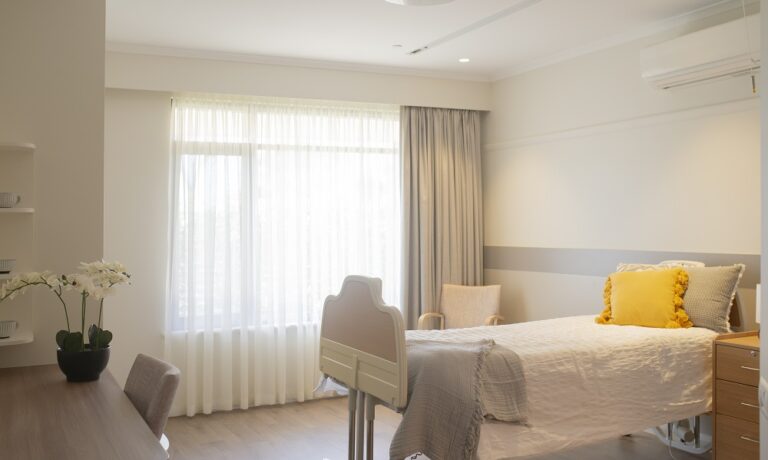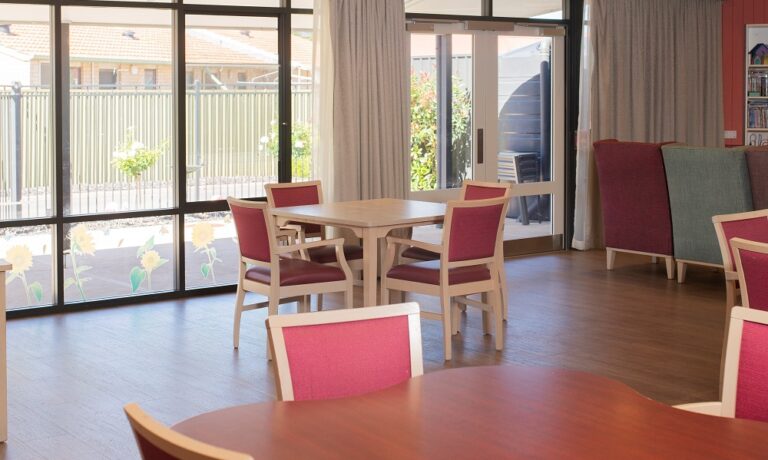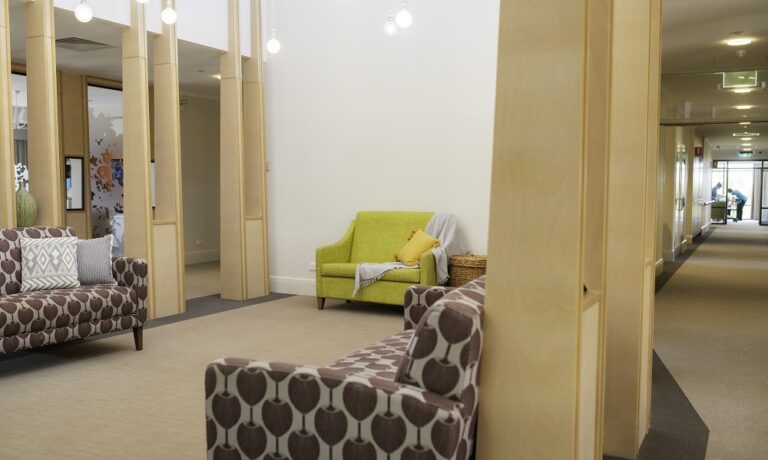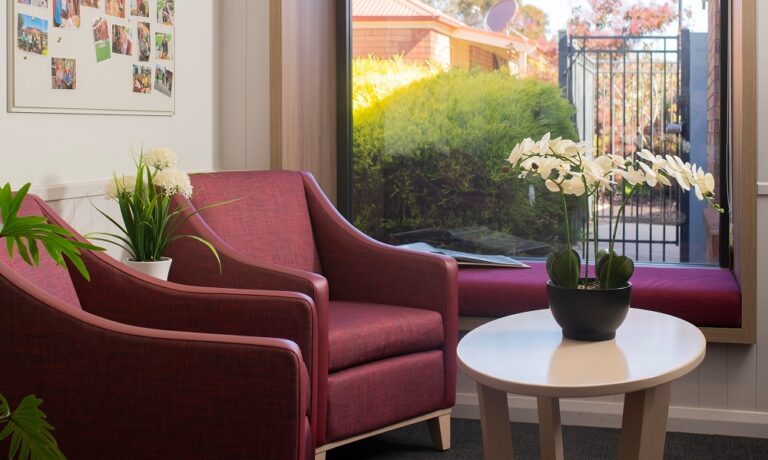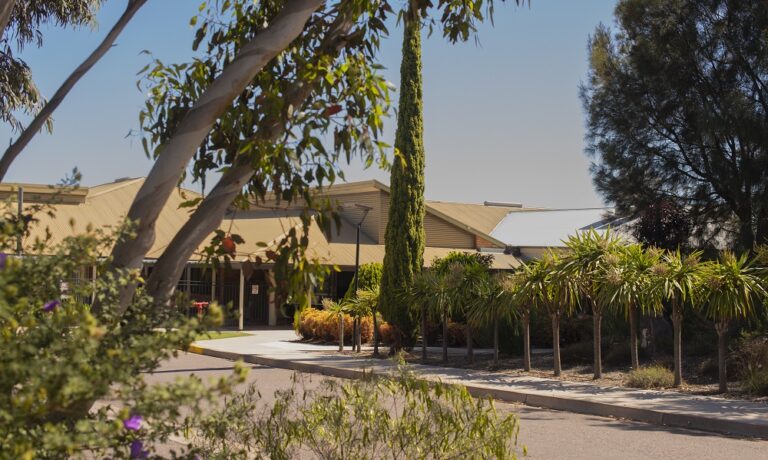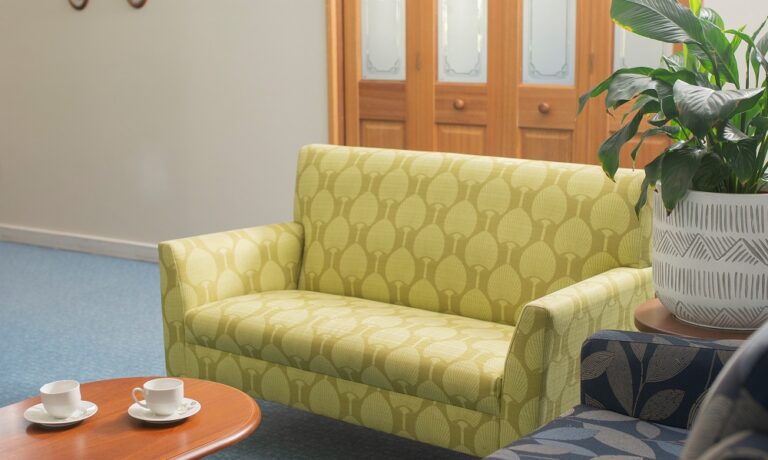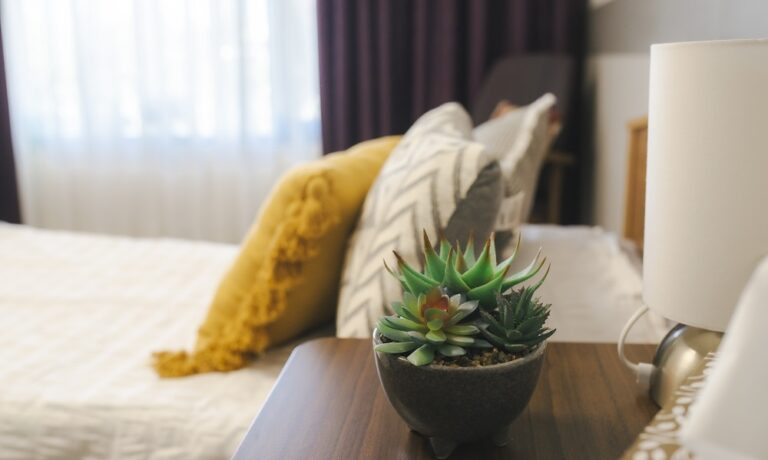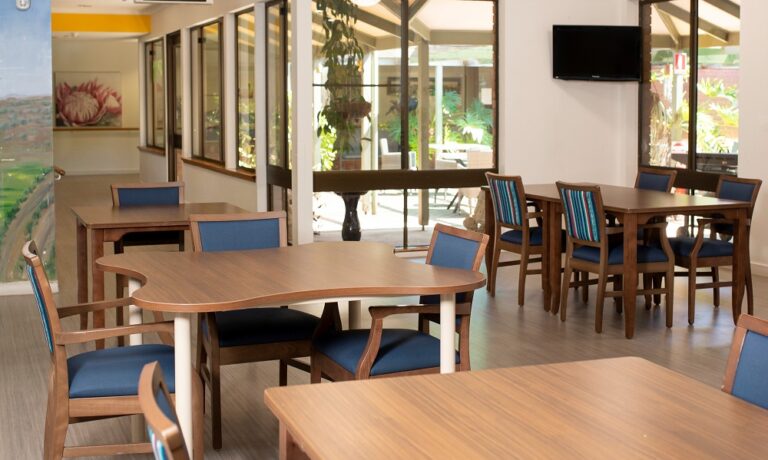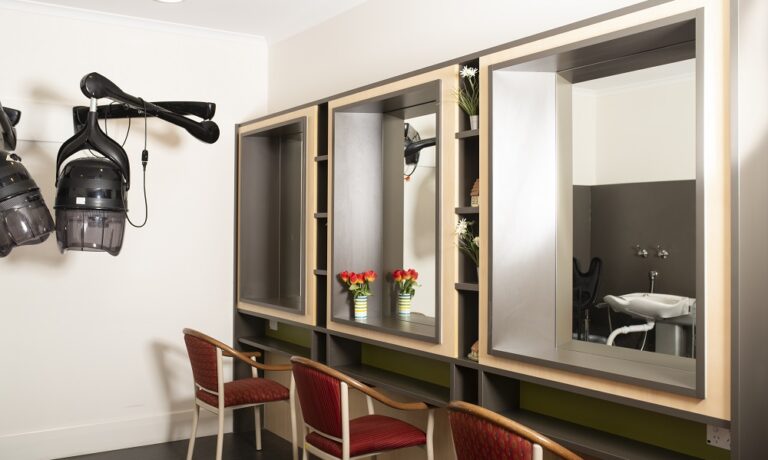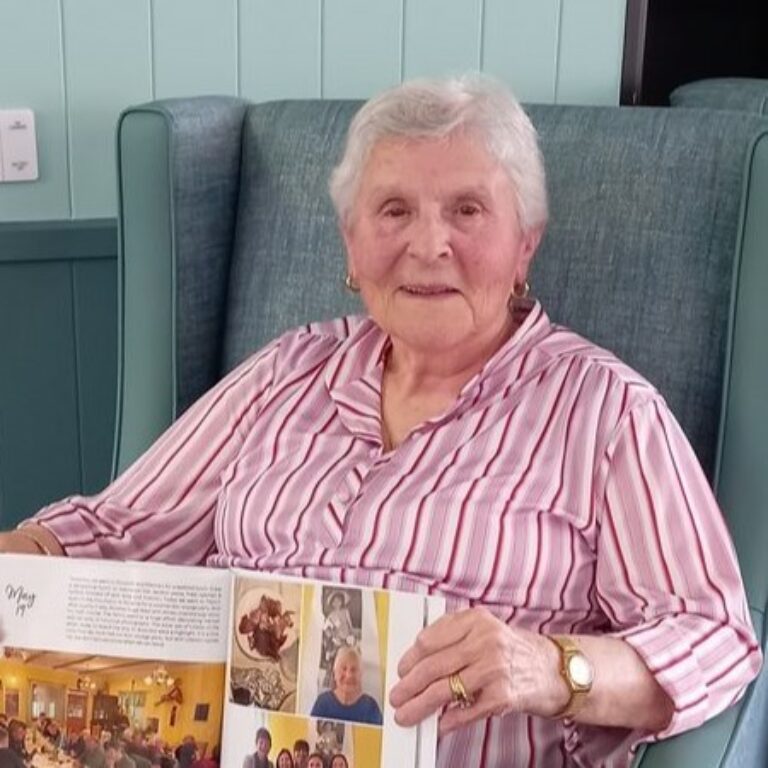



Helping Hand has 11 residential care homes across metropolitan Adelaide and regional South Australia. To access residential care, you will first need an aged care assessment through My Aged Care.

- Help at Home
- Retirement Living
- Residential Care
- Careers
- Advice
Back
Help at Home
Helping Hand offers home care services and in-home support to help older people stay independent, safe and connected at home across metropolitan Adelaide and regional South Australia. Support can include domestic assistance, personal care, transport, nursing, allied health and social connection.
See Help at HomeClose
Need some more advice?
If you’ve got more questions about Help at Home, we’ve got answers.
See adviceRetirement Living
Helping Hand Retirement Living supports people who want to live independently in a lower-maintenance home while staying connected to a friendly community. Villages are located across South Australia and may suit people who are ready to downsize while keeping their independence.
See Retirement LivingClose
Need some more advice?
Is Retirement Living right for you? Get some extra advice from Helping Hand.
See adviceResidential Care
Helping Hand provides 24-hour residential aged care in 11 care homes across metropolitan Adelaide and regional South Australia. Residents are supported with personal care, nursing, meals, lifestyle activities and dementia support in a safe, welcoming environment.
See Residential CareClose
Need some more advice?
Is Residential Care right for you? Get some extra advice from Helping Hand.
See adviceCareers
Explore aged care careers, volunteering and student placements with Helping Hand, a South Australian not-for-profit supporting older people across home care, retirement living and residential care.
See CareersClose
Why work with us?
Do you want to join the Helping Hand team and make a difference?
See job vacancies- Help at Home
- Retirement Living
- Residential Care
- Careers
- Advice
Back
Help at Home
Helping Hand offers home care services and in-home support to help older people stay independent, safe and connected at home across metropolitan Adelaide and regional South Australia. Support can include domestic assistance, personal care, transport, nursing, allied health and social connection.
See Help at HomeClose
Need some more advice?
If you’ve got more questions about Help at Home, we’ve got answers.
See adviceRetirement Living
Helping Hand Retirement Living supports people who want to live independently in a lower-maintenance home while staying connected to a friendly community. Villages are located across South Australia and may suit people who are ready to downsize while keeping their independence.
See Retirement LivingClose
Need some more advice?
Is Retirement Living right for you? Get some extra advice from Helping Hand.
See adviceResidential Care
Helping Hand provides 24-hour residential aged care in 11 care homes across metropolitan Adelaide and regional South Australia. Residents are supported with personal care, nursing, meals, lifestyle activities and dementia support in a safe, welcoming environment.
See Residential CareClose
Need some more advice?
Is Residential Care right for you? Get some extra advice from Helping Hand.
See adviceCareers
Explore aged care careers, volunteering and student placements with Helping Hand, a South Australian not-for-profit supporting older people across home care, retirement living and residential care.
See CareersClose
Why work with us?
Do you want to join the Helping Hand team and make a difference?
See job vacancies- Help at Home
- Retirement Living
- Residential Care
- Careers
- Advice
- Help at Home
- Retirement Living
- Residential Care
- Careers
- Advice
Back
Help at Home
Helping Hand offers home care services and in-home support to help older people stay independent, safe and connected at home across metropolitan Adelaide and regional South Australia. Support can include domestic assistance, personal care, transport, nursing, allied health and social connection.
See Help at HomeClose
Need some more advice?
If you’ve got more questions about Help at Home, we’ve got answers.
See adviceRetirement Living
Helping Hand Retirement Living supports people who want to live independently in a lower-maintenance home while staying connected to a friendly community. Villages are located across South Australia and may suit people who are ready to downsize while keeping their independence.
See Retirement LivingClose
Need some more advice?
Is Retirement Living right for you? Get some extra advice from Helping Hand.
See adviceResidential Care
Helping Hand provides 24-hour residential aged care in 11 care homes across metropolitan Adelaide and regional South Australia. Residents are supported with personal care, nursing, meals, lifestyle activities and dementia support in a safe, welcoming environment.
See Residential CareClose
Need some more advice?
Is Residential Care right for you? Get some extra advice from Helping Hand.
See adviceCareers
Explore aged care careers, volunteering and student placements with Helping Hand, a South Australian not-for-profit supporting older people across home care, retirement living and residential care.
See CareersClose
Why work with us?
Do you want to join the Helping Hand team and make a difference?
See job vacancies